
Table of Contents
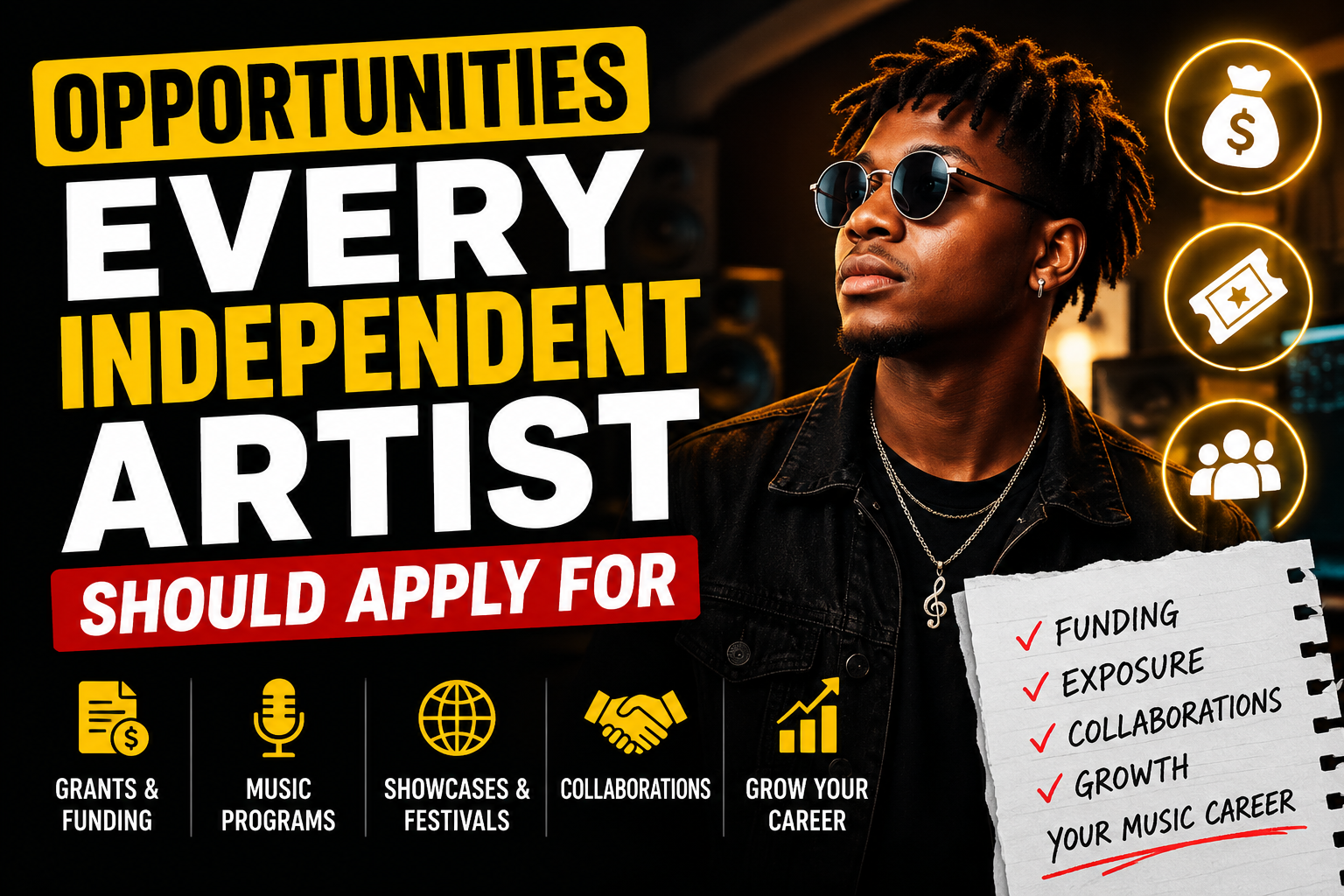
Independent musicians often juggle creative work with career-building in an industry packed with competition. The good news is, there are many Top Opportunities for Independent Artists: Grants, Contests & Programs designed to help indie artists get funding, exposure, and mentorship. From government arts grants to global showcase festivals, these opportunities can accelerate a music career. This article explores key opportunities independent artists should consider applying for, and explains why each matters for growth and sustainability.
- Grant Funding: Government and nonprofit arts grants (e.g. Creative Capital, Canada Council, Arts Council) provide money for recording, touring, or marketing.
- Songwriting & Artist Competitions: Contests like the International Songwriting Competition or USA Songwriting Comp offer cash prizes and industry exposure.
- Festivals and Showcases: Applying to play festivals (e.g. SXSW) or radio showcases can put you in front of fans and executives.
- Residencies and Mentorships: Programs like Roundhouse (UK) or Beatport Next (EDM) give coaching, studio time, or tour support.
- Sync & Licensing: Submit music to libraries or pitch for TV/film placements to earn royalties.
- Distribution & Streaming Programs: Digital distributors and platforms (and services like Music Distribution) help get your music on streaming services, sometimes with special promotion initiatives.
- Crowdfunding & Alternative Support: Platforms like Kickstarter or Patreon let you finance projects directly from fans.
Below we detail each category of opportunity, with examples and tips on applying successfully.
Top Opportunities for Independent Artists: Grants, Contests & Programs
for Music Projects
Securing grant funding can free your budget for studio time, equipment, or promotion. Many countries have arts councils or foundations that accept applications from individual artists. For example, the Creative Capital Award in the U.S. offers individual project grants up to $50,000 (plus professional development services) for “innovative, original, groundbreaking” works. Likewise in the UK, Arts Council England’s Creative Practice fund provides £2,000–£10,000 grants to independent artists. The Canada Council for the Arts also supports thousands of artists each year – over 3,000 Canadian artists received grants in 2024–25.
On the local level, grassroots organizations and nonprofits often have smaller grants tailored to indie musicians. For example, Salt Lick Incubator (an American nonprofit) offers $5,000–$15,000 artist project grants for recording, touring, video production, social media campaigns, and more. When applying, make a clear proposal: explain your project scope, how funds will be used, and the impact on your career. Keep in mind grants are highly competitive, so tailor each application to the funder’s goals. Spend time preparing bios, demo tracks, budgets, and letters of support.
Tip: Before applying, review eligibility carefully (genre focus, residency requirements, project scope) and only apply to grants that fit your profile. Track deadlines and prepare materials (music tracks, proof of previous work, proposal narrative) well in advance. Successful applicants often work with professionals to polish recordings – consider using a full music production service or mixing/mastering service to deliver high-quality submissions.
Songwriting and Artist Competitions
Contests are a great way to gain visibility and prizes. Songwriting competitions are especially valuable because judges often include industry professionals. The International Songwriting Competition (ISC), for example, is open to both amateur and pro songwriters worldwide. ISC awards cash and prizes to winners across 24 genre categories, and its panel has included major artists. Winning or placing in ISC can put your music in front of labels and publishers.
Another long-running event is the USA Songwriting Competition, which awards a $50,000 grand prize along with promotion of winners’ songs. It’s open to songwriters globally in many genres. Other contests like the John Lennon Songwriting Contest or the Great American Song Contest offer monetary awards, feedback, and networking opportunities. Even if you don’t win, submitting can expand your reach: many contests publish finalists online or on radio shows, generating streams and press.
When entering contests, read rules carefully (entry fees, song formats, deadlines). Prepare a professional audio recording and clear metadata. Make your submission stand out: a compelling song with a strong performance video can help in contests that require video (e.g. NPR’s Tiny Desk Contest, where you “perform behind a desk”). Remember to track your marketing: winners often mention the contest in bios and press kits, which adds credibility to your profile. If a contest involves a live showcase (some do), be ready to perform live on short notice.
Showcases and Festival Applications
Music festivals and industry conferences often have open calls or submission portals for emerging artists. Applying to perform at high-profile events can kickstart a career. For example, SXSW (South by Southwest) in Austin, Texas, accepts applications each fall for its annual Music Festival & Conference. SXSW showcases put artists on legendary stages for industry reps and tens of thousands of fans, creating “career-changing opportunities”. Past SXSW performers include Khalid, Billie Eilish, and many other breakout artists, demonstrating how far such exposure can go.
Beyond SXSW, other festivals like Reeperbahn (Germany), Eurosonic Noorderslag (Netherlands), and SoundCity (UK) host artist submission portals or competitions. Even local festivals often have “call for artists” submissions online. When applying, highlight your best material: send a professional EPK (electronic press kit) with a bio, photos, press quotes, and music links. If accepted, be prepared to offer a great live show — this is your audition for labels and media.
Cfatmusic Studios can help you prepare for showcases too. High-quality recordings made through their session recording or mixing/mastering services will make your submissions and social media stand out to festival bookers.
Residencies, Fellowships, and Development Programs
Artist residencies and development programs offer time, space, mentorship, or funds to create new work. These are less about competition and more about intensive career growth. Examples include the Roundhouse Artist Residency in London (open to diverse UK musicians) and AmplifyWorld funds for international artists. For electronic/producer artists, the Beatport Next accelerator program selects 12 global acts for year-long support and exposure. Alumni of Beatport Next (like TSHA and Nia Archives) have since landed major festival slots. Applying to Beatport Next (open in late 2025 for the 2026 class) means sharing your recent releases and vision with an EDM-curated panel.
Another example is composer-focused fellowships. In Australia, the Freedman Jazz Fellowship awards A$30,000 to an emerging jazz musician to compose new work. In the UK, the PRS Foundation runs programs like the Hitmaker Fund (for songwriters) or Momentum (career funds). Educational institutions and camps can also offer “participation grants” — for instance, attending a Berklee songwriting camp or SXSW’s mentorship sessions.
These opportunities often have specific criteria (age, genre, nationality). Do research: follow Arts Council websites, local music foundations, and organizations like New Music USA or Creative Europe for open calls. Networking helps too — join music associations or attend conference panels announcing new programs. When applying, articulate how the experience will advance your craft (e.g. master classes, collaboration time, or recording support).
Sync Licensing and Digital Distribution Opportunities
Sync licensing (getting your music in TV, film, ads, or games) can be a lucrative opportunity for independent artists. While not a one-time “apply” process, submitting tracks to music libraries or agencies does involve outreach and paperwork. Platforms like SyncFloor or Songtradr allow indie artists to pitch to music supervisors. Additionally, contests or calls for song placements (such as brand-sponsored music calls) sometimes open to the public.
To prepare, create high-quality masters and registration with a PRO (ASCAP, BMI, PRS). A service like Ditto Music’s Sync Licensing can help pitch your tracks. For example, Ditto’s platform lets you “pitch your tracks for sync briefs”, which is effectively an application process. As you pursue grants or production deals, ensure any funded tracks are registered and available on streaming services. Cfatmusic Studios‘ Music Distribution service can get your music onto Spotify, Apple Music, TikTok, etc., and their Streaming Optimization can help you refine metadata and pitch to playlists.
Tip: Many sync opportunities require calm professionalism. Maintain a clear, organized catalogue of your songs (with stems or instrumental versions if possible) and read all licensing agreements carefully. Highlight tracks you think fit particular briefs (e.g. upbeat pop for commercials, cinematic scores for film).
Crowdfunding and Alternative Funding
Traditional grants aren’t the only way to fund projects. Crowdfunding platforms like Kickstarter, GoFundMe, or music-specific ones like PledgeMusic (if available) let fans directly support an album or tour. Unlike contests, crowdfunding campaigns require you to pitch your project compellingly to an audience and often offer rewards (like signed CDs or exclusive content) in return.
Running a successful campaign is an “apply yourself” opportunity: you create the pitch, set goals, and promote it. Use these platforms wisely — see what similar artists have done and plan out engaging updates. Even Patreon (a membership platform) can be framed as an ongoing funding “opportunity,” where fans commit monthly. While crowdfunding isn’t a guaranteed grant, it can pair well with grant writing: many funders like to see that you have fan backing or partial funding in place.
Practical Tips for Applying and Standing Out
- Prepare Your Materials: Have a professional EPK, including a short bio, hi-res photos, a well-mixed demo or tracks, and any previous press or accolades. Cfatmusic Studios‘ artist development services can help polish your image and materials.
- Know the Criteria: Read application guidelines thoroughly. Grant programs and contests often have specific genre, location, or career-stage requirements. Answer every question and provide all requested attachments.
- Tailor Your Pitch: Customize applications. For a jazz grant, emphasize your jazz credentials; for a community arts grant, highlight how your music engages audiences. Use clear, simple language to explain why you deserve the opportunity.
- Showcase Your Work: In contest entries or demo submissions, include your best track or performance. A poorly mixed song can hurt your chances — again, using professional recording and mastering (like Cfatmusic Studios‘ session recording or [mixing] services) ensures you sound your best.
- Follow Up and Promote: If you win or are selected for any opportunity, leverage it in your marketing. Mention grants and awards in press releases, bios, and social media. Use these achievements to open doors to future gigs or funding.
Key Takeaways
- Diverse Opportunities: Independent artists can tap grants, competitions, festivals, residencies, and more – each has its own entry process and benefits.
- Plan Strategically: Target grants and programs that match your music style and career stage. Don’t spray-and-pray; quality over quantity in applications.
- Invest in Quality: Use funding or your own budget to produce professional recordings. High production value boosts your chance of success.
- Network and Stay Informed: Join music industry groups and newsletters (e.g. arts council bulletins, Ditto’s email lists) to hear about new opportunities. Attend webinars or info sessions when available.
- Be Persistent: Rejection is common. Learn from feedback, refine your applications, and try again. The experience builds skills and resilience.
Next Steps: Start by making a list of deadlines for grants and contests (many reopen annually). Prepare your application materials now so you’re ready when submission windows open. Share this article with bandmates or collaborators — working together (e.g. hiring a video editor or grant writer) can strengthen your submissions. Finally, keep creating great music and engaging with your audience; the combination of solid art and smart opportunities is what leads to breakthroughs.
Opportunities abound for independent artists who know where to look and how to apply. By actively pursuing grants, competitions, and industry programs, you invest in your career trajectory. Pair those opportunities with professional production support (for recording, mixing, distribution, etc.) and you’ll maximize your chance of success. Keep creating, keep applying, and let these opportunities carry your music to a wider audience.