
Table of Contents
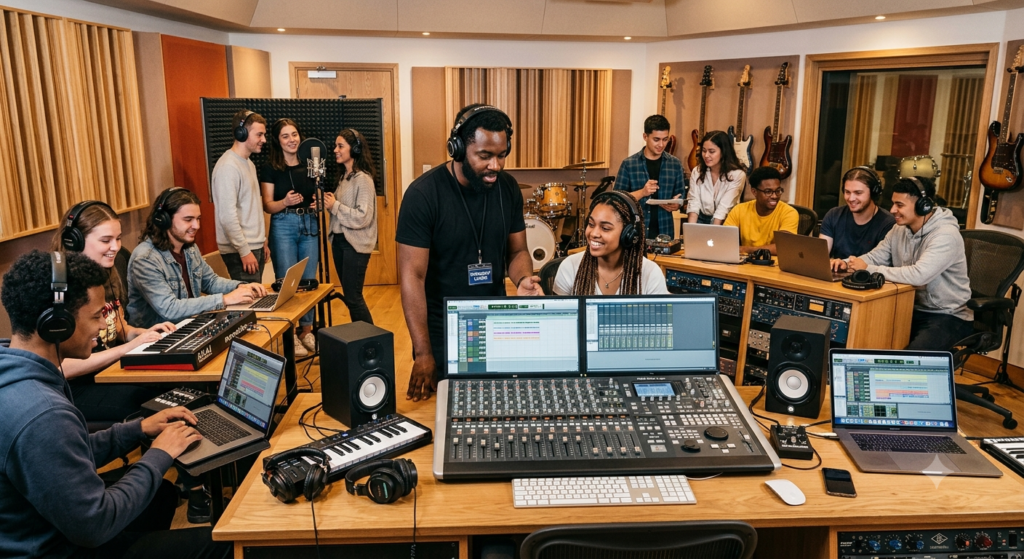
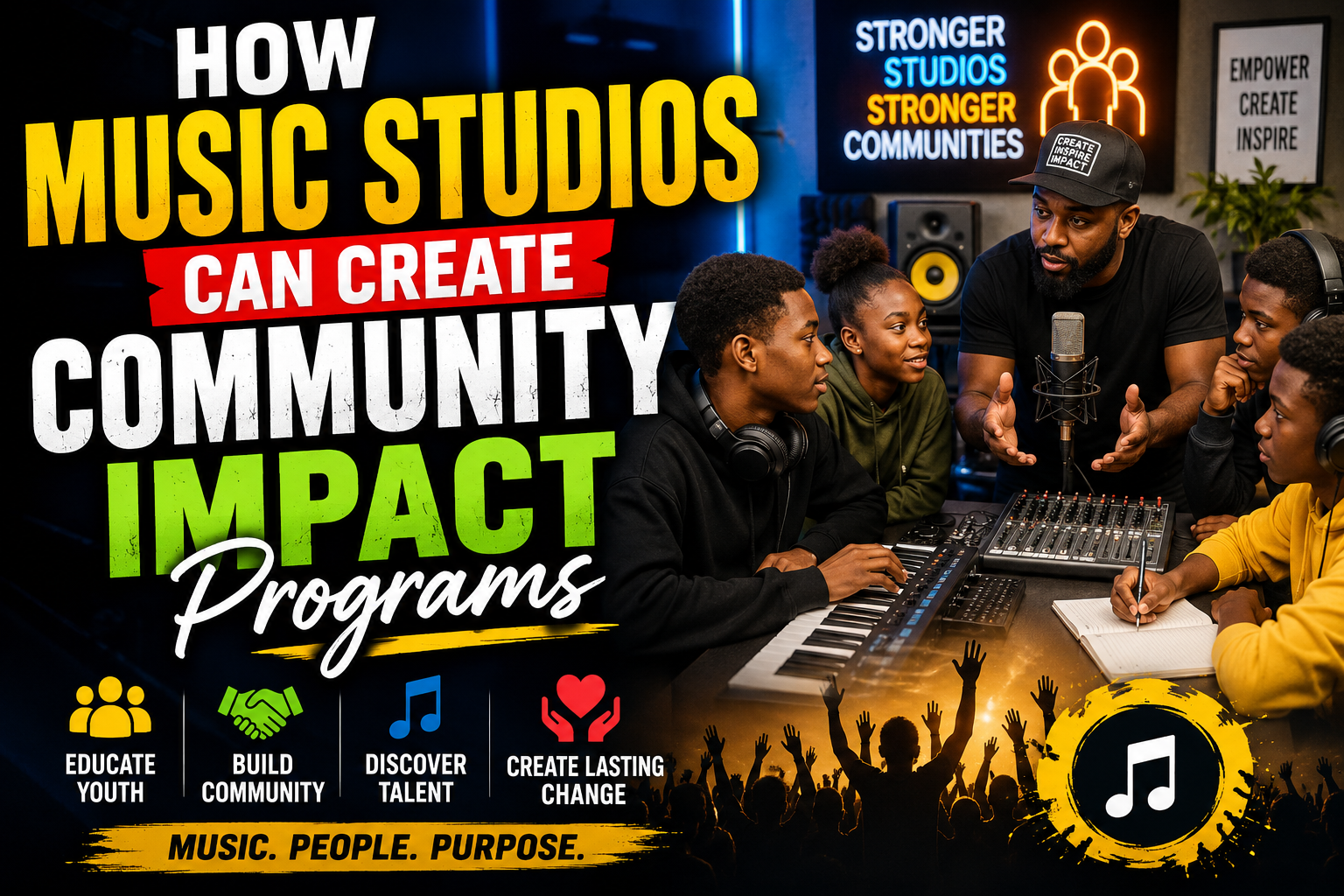
Music studios are often viewed as places where songs are recorded, mixed, and mastered. In reality, they can become creative hubs that strengthen neighborhoods, discover young talent, support education, and create opportunities for people who might never otherwise step into the music industry.
Creating a music studio community impact program isn’t just about charity. It’s a long-term investment in people, relationships, and sustainable business growth. Studios that actively serve their communities often develop stronger reputations, attract loyal clients, build valuable partnerships, and position themselves as trusted cultural institutions rather than simply commercial recording facilities.
Whether you operate a home studio, an independent commercial facility, or a full-service production company, there are practical ways to make a meaningful difference while growing your brand.
Why Music Studio Community Impact programs Matters for Music Studios
The music industry has always thrived on community. Every successful artist emerges from an ecosystem of mentors, venues, producers, educators, and supporters.
Studios occupy a unique position because they already possess valuable resources:
- Professional recording equipment
- Creative expertise
- Industry connections
- Educational knowledge
- Safe creative spaces
- Access to aspiring artists
Instead of keeping these resources exclusively for paying clients, studios can dedicate a portion of their time toward initiatives that strengthen their local creative economy.
Organizations such as the ASCAP Foundation, Save The Music, and Playing For Change Foundation have demonstrated that music education and creative access can positively influence communities when delivered consistently through structured programs.
What Is Music Studio Community Impact Programs?
A community impact program is an organized initiative that uses a studio’s resources to benefit people beyond commercial clients.
Unlike occasional donations or one-time events, these programs operate with clear goals, measurable outcomes, and long-term consistency.
Examples include:
- Free music production workshops
- Youth mentorship
- School partnerships
- Recording projects for nonprofit organizations
- Scholarship programs
- Artist development initiatives
- Mental health and creative wellness sessions
- Community concerts
- Podcast education programs
The objective is simple:
Use music to create lasting educational, social, cultural, or economic value.
Benefits for the Studio
Community programs require time and planning, but they can generate significant long-term returns.
Stronger Brand Reputation
People naturally support businesses that contribute positively to their communities.
Instead of competing only on price, your studio becomes known for creating opportunities.
Better Networking
Community programs often introduce studios to:
- schools
- local governments
- NGOs
- churches
- youth organizations
- corporate sponsors
These relationships frequently lead to commercial projects later.
Future Clients
Many successful recording clients begin as students.
A teenager attending a free beat-making workshop today may return years later to record an album.
Team Development
Studio interns and junior engineers gain valuable experience by teaching workshops, managing events, and mentoring beginners.
Practical Community Impact Programs Every Studio Can Start
1. Free Monthly Music Production Workshops
This is one of the simplest initiatives to launch.
Topics might include:
- Introduction to music production
- Vocal recording basics
- FL Studio for beginners
- Song arrangement
- Home recording
- Music business fundamentals
Limit attendance to maintain quality.
Encourage participants to bring laptops or headphones where possible.
If you’re interested in expanding educational services, your studio can also develop structured training through Music Lessons.
2. Youth Mentorship Programs
Many talented young musicians simply lack guidance.
A mentorship program could run over several weeks and include:
- songwriting
- beat production
- recording etiquette
- stage preparation
- copyright basics
- career planning
Pair experienced producers with younger participants for regular coaching sessions.
Research on mentorship and collaborative music communities consistently highlights the value of sustained guidance over isolated events.
3. Partner with Schools
Schools often struggle to provide practical music production education.
Studios can partner with:
- primary schools
- secondary schools
- colleges
- universities
- vocational institutions
Activities may include:
- studio tours
- career talks
- recording demonstrations
- songwriting workshops
- internship opportunities
Programs like Save The Music demonstrate how educational partnerships help sustain long-term music learning opportunities.
4. Record Community Stories
Music studios are increasingly capable of producing podcasts and documentaries.
Offer discounted or donated recording sessions for:
- local historians
- nonprofits
- community leaders
- cultural organizations
- oral history projects
This preserves important stories while showcasing your production capabilities.
Studios offering spoken-word production can also highlight Podcast Recording.
5. Scholarship Recording Sessions
Many gifted artists cannot afford professional recording.
Consider offering annual scholarships covering:
- production
- recording
- mixing
- mastering
- release consultation
Selection should be transparent, with published criteria and a clear application process.
6. Music Career Days
Invite professionals such as:
- producers
- DJs
- videographers
- photographers
- entertainment lawyers
- distributors
- publishers
Participants learn that the music industry offers many careers beyond performing.
7. Community Music Challenges
Host songwriting or beat-making competitions centered on positive themes such as:
- environmental awareness
- anti-drug campaigns
- education
- peace
- entrepreneurship
- local culture
Winning entries can be professionally recorded.
8. Volunteer Studio Days
Reserve one day each month for nonprofit organizations.
Offer recording support for:
- awareness campaigns
- fundraising videos
- educational content
- public service announcements
This creates meaningful community relationships while building your studio portfolio.
Build Partnerships Instead of Working Alone
Many studios fail because they try to manage everything independently.
Successful community programs usually involve partners.
Potential collaborators include:
- schools
- churches
- youth organizations
- cultural centers
- local businesses
- NGOs
- media houses
- local government agencies
Each partner contributes different resources, including venues, volunteers, publicity, or funding.
Secure Funding for Community Programs
Not every initiative requires large budgets.
Start small and expand gradually.
Possible funding sources include:
- studio profits
- sponsorships
- crowdfunding
- local businesses
- philanthropic foundations
- arts grants
- corporate social responsibility (CSR) initiatives
When seeking external funding, prepare a concise proposal outlining your objectives, target audience, expected outcomes, timeline, and evaluation methods.
Measure Your Community Impact
Good intentions alone are not enough.
Track measurable outcomes such as:
| Metric | Why It Matters |
| Number of participants | Demonstrates reach |
| Workshops delivered | Shows consistency |
| Volunteer hours | Measures engagement |
| Scholarships awarded | Indicates opportunity creation |
| Artists developed | Demonstrates long-term value |
| Partnerships formed | Reflects community collaboration |
| Employment opportunities created | Measures economic impact |
These metrics also strengthen future sponsorship and grant applications.
Common Mistakes to Avoid
Trying to do everything at once
Begin with one manageable program.
Consistency matters more than scale.
Making the program entirely promotional
People quickly recognize when “community service” is simply advertising.
Focus first on genuine impact.
Ignoring participant feedback
Regular surveys help improve future programs.
No clear objectives
Every initiative should answer:
- Who are we helping?
- What problem are we solving?
- How will success be measured?
Poor planning
Even free events require:
- schedules
- registration
- volunteers
- equipment planning
- safety considerations
How Community Programs Strengthen Artist Development
Many artists need more than studio time.
They benefit from:
- confidence
- mentoring
- networking
- constructive feedback
- professional guidance
Studios already offering Artist Development can naturally extend these services into community outreach through mentorship, workshops, and talent discovery.
Similarly, participants who eventually release music may benefit from learning about Music Distribution after completing educational programs.
Frequently Asked Questions
Can a small home studio create community programs?
Absolutely. A home studio can begin with free online workshops, mentorship sessions, school visits, or monthly educational meetups before expanding into larger initiatives.
Do community programs need significant funding?
No. Many successful initiatives begin with donated time, existing equipment, volunteer mentors, and partnerships rather than large financial investments.
Should community programs be free?
Not always. Some studios use a hybrid approach, offering free introductory events while charging modest fees for advanced courses to help sustain the program.
How do community programs benefit studio marketing?
They generate authentic word-of-mouth referrals, strengthen local relationships, increase media interest, and position the studio as a trusted creative resource rather than just a service provider.
Key Takeaways
- Community impact programs strengthen both society and studio businesses.
- Start with one focused initiative rather than several small ones.
- Build partnerships with schools, nonprofits, and local organizations.
- Measure outcomes to demonstrate long-term value.
- Prioritize consistency over occasional large events.
- Community trust often becomes one of a studio’s most valuable business assets.
Next Steps
If you’re planning your first community initiative:
- Identify one need within your local creative community.
- Design a simple program lasting one to three months.
- Partner with at least one local organization.
- Promote the opportunity through social media and local networks.
- Measure participation and gather feedback.
- Improve and repeat the program annually.
For more practical guides on music production, artist growth, and studio management, visit the CFATMUSIC Studios Blog or explore the studio’s core Music Production services.